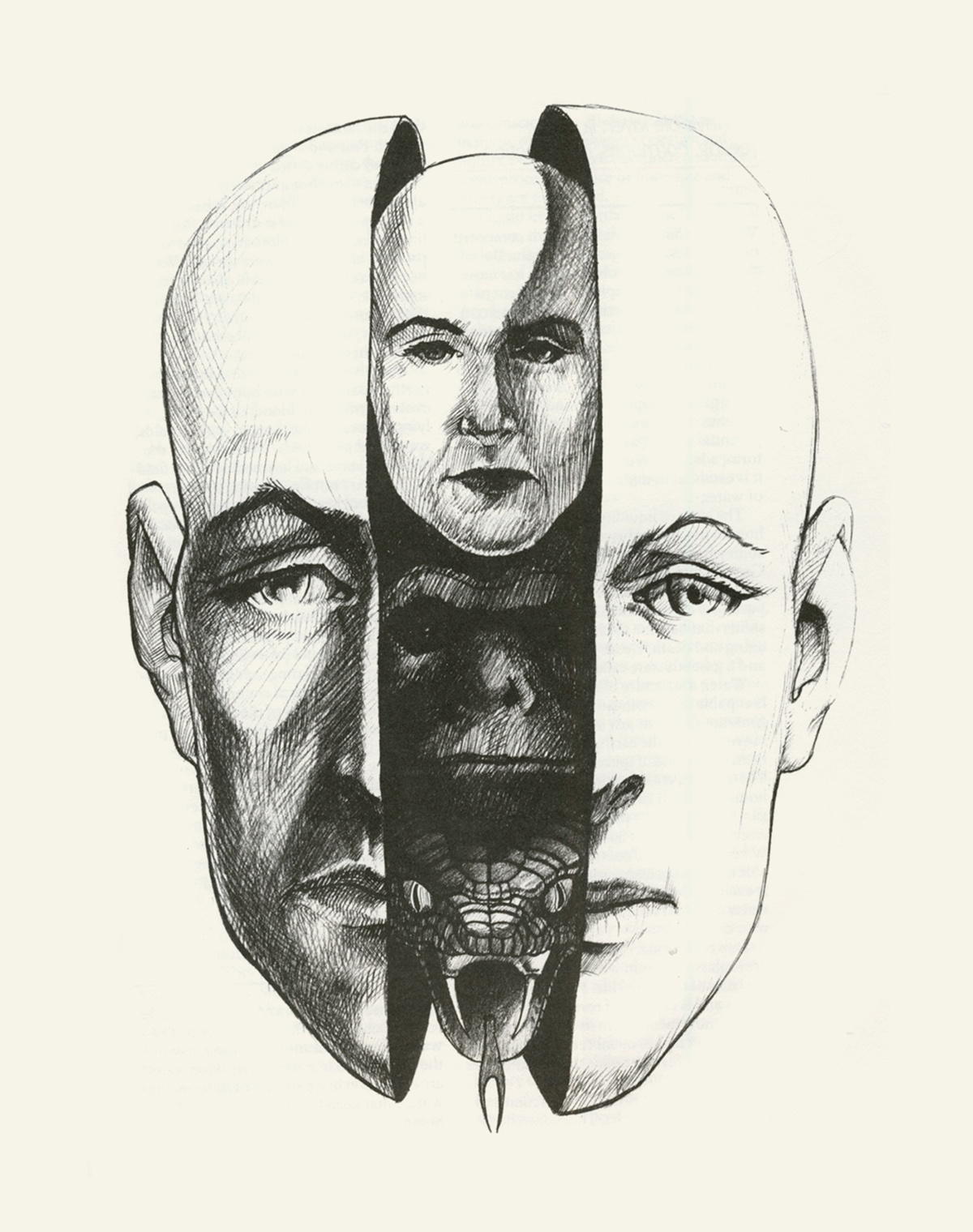
Everything Starts and Ends With the Self
In organisational life, people often speak as though the real work is always outside us.
Strategy.
Structure.
Systems.
Targets.
Performance.
Transformation.
All of these matter, of course. But beneath them sits something more fundamental, and it is often the part most neglected.
Everything starts and ends with the self.
That is not a sentimental statement. Nor is it an argument for self-absorption. It is a practical truth about leadership, communication, and culture.
Because whatever a leader builds externally is shaped, constantly, by what is happening internally.
The self is not a side issue
In many professional environments, the self is treated almost as an inconvenience.
People are trained to think strategically, analyse problems, manage others, and deliver outcomes. But they are very rarely taught how their own internal condition shapes the quality of all of those things.
A leader may have excellent ideas and still create confusion because their internal state is hurried and fragmented.
A manager may care deeply about people and still create pressure because they are carrying unregulated tension into every interaction.
An organisation may invest heavily in culture change while ignoring the fact that culture is continually being produced by the inner state of the people leading it.
That is why the self is not a side issue. It is the point of origin.
Leadership always reveals the person behind the role
Titles can conceal a great deal, but not for long.
Sooner or later, the role gives way to the person inhabiting it.
The nervous system shows up.
The habits of attention show up.
The emotional patterns show up.
The level of self-awareness shows up.
The degree of embodiment or disconnection shows up.
This is why leadership development that focuses only on skills remains incomplete.
It may produce more polished behaviour, but it does not necessarily produce more coherent human beings. And if the human being is not coherent, the leadership will eventually reflect that.
The self always enters the room.
Culture is built from inner state as much as outer policy
Organisations often treat culture as something that can be designed from the top and rolled out through values statements, frameworks, and initiatives.
But culture is not only declared. It is transmitted.
It is transmitted through tone, timing, presence, emotional steadiness, honesty, and the degree of internal organisation leaders bring to their work.
If the people in authority are disconnected from themselves, then the culture often becomes performative. The right language may be used, but the felt experience underneath it will not match.
If leaders are more regulated, more self-aware, and more truthful internally, something else becomes possible. Trust increases. Communication becomes more real. Pressure is handled better. The organisation feels less split between what it says and what it actually lives.
That is why culture change that excludes the self rarely goes deep enough.
Self-awareness is not indulgence
There is sometimes a fear in corporate life that too much attention to the self will make people introspective, soft, or less effective.
In my experience, the opposite is often true.
A person who knows nothing of their own state is far more likely to be ruled by it.
They may think they are being decisive when they are actually being reactive. They may think they are being efficient when they are spreading urgency. They may think they are being neutral when in fact they are emotionally absent.
Self-awareness does not weaken leadership. It refines it.
It makes it possible to distinguish signal from noise, response from reaction, truth from internal turbulence.

The Lodestone view
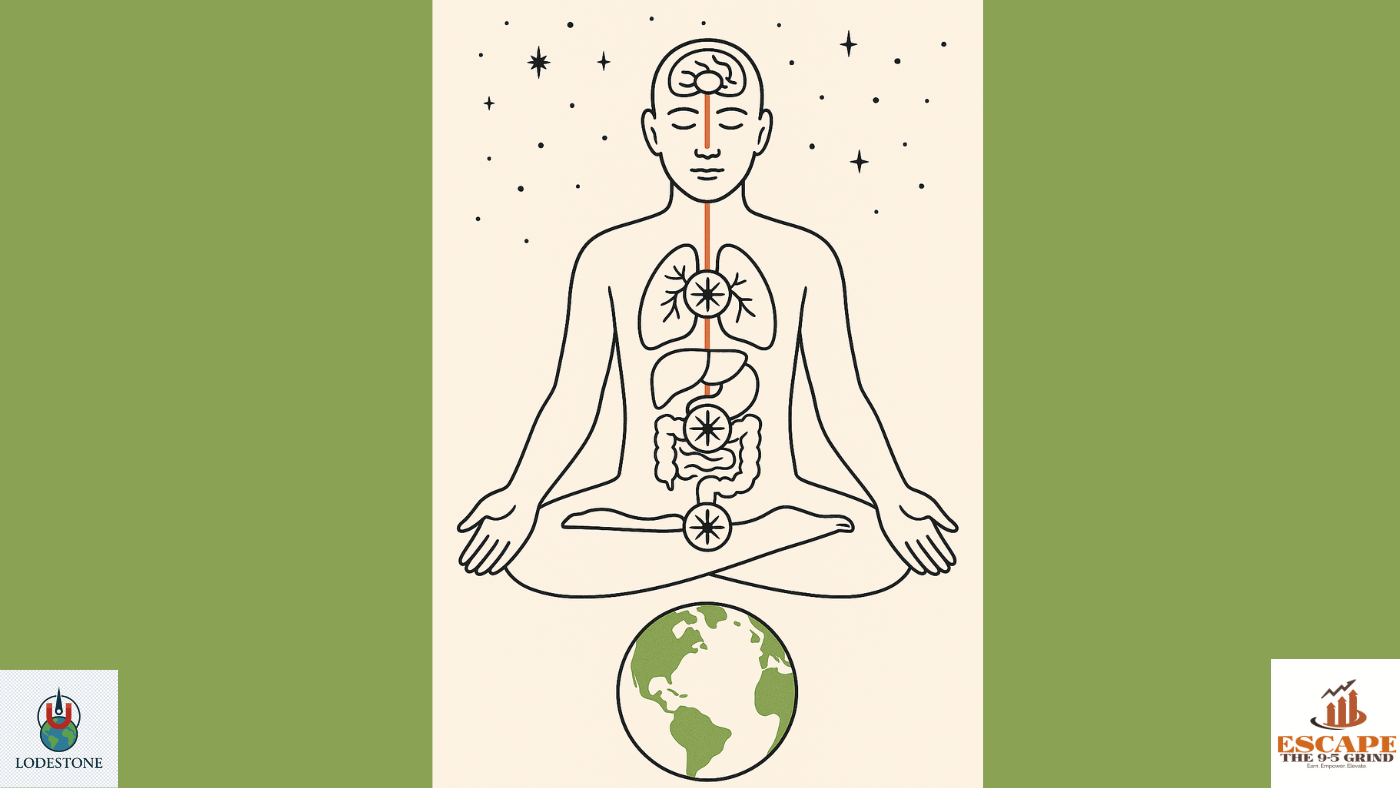
Lodestone has always begun from the premise that human beings need a way back into relationship with themselves.
Not with a manufactured persona.
Not with a professional mask.
Not with the overdriven intellect alone.
But with the deeper organising intelligence of the body and the inner compasses that help a person remain aligned.
This matters in leadership because disconnection from the self has consequences.
It produces override.
It produces false steadiness.
It produces communication that sounds correct but does not feel trustworthy.
It produces effort without coherence.
When a person is more inwardly aligned, leadership becomes less performative and more real. Decisions carry a different quality. Boundaries are clearer. Listening improves. Presence becomes less forced. And the person can carry responsibility without losing contact with themselves.
That is a very different standard of leadership.
Why organisations should care
Everything starts and ends with the self because every organisational issue is eventually carried by human beings.
Burnout is carried by human beings.
Conflict is carried by human beings.
Change is carried by human beings.
Meetings are carried by human beings.
Communication is carried by human beings.
Leadership is carried by human beings.
If the self is neglected, the system eventually pays the price.
That price may look like miscommunication, shallow trust, excessive pressure, brittle decision-making, culture fatigue, or a leadership team that appears strong but is inwardly fragmented.
If the self is included, the organisation has a much stronger foundation.
Not because everyone becomes endlessly introspective, but because people become more able to regulate, reflect, communicate truthfully, and act from something deeper than habit and pressure.
A more serious understanding of leadership
I am interested in leadership that does not begin with impression management, but with inner organisation.
Leadership that is not only externally competent, but internally coherent.
Leadership that does not require self-erasure.
Leadership that can hold complexity without abandoning the body.
Leadership that understands that what is unresolved in the self will eventually appear in the culture.
Everything starts and ends with the self.
That is not a private truth. It is an organisational one.

Lodestone Inside helps leaders and organisations build from the inside out — strengthening self-awareness, embodied leadership, and the human capacity on which culture, communication, and sustainable performance depend.