
Breath as Leadership Interface
Breath as Leadership Interface is a reminder that the most important signal in any room—physical or digital—is the state of the body behind the words.
Linden’s lens
After 30 years supporting communication for university students, MBA candidates, and professionals, I’ve learned this: leadership is not only what you decide—it’s what you transmit. Teams respond to tone, timing, and the regulation you model.
Key takeaways
- Primary lens: breath leadership.
- Watch the signal: breath, gaze, tone, tempo, sensation—before content.
- Legacy frame: consistency and trust are embodied; they’re not produced by forcing.
The article
Breath isn’t something most leaders actively think about, but it’s got this incredible power to change how we lead. You see, in moments where stress kicks in or when you're trying to focus on a monumental task, your breath can be your best friend. It’s not just about keeping us alive—it's this powerhouse that can totally transform a leader's state of mind.
Historically, the art of breathwork has been around for ages, deeply rooted in ancient practices. In modern times, forward-thinking experts like Donna Farhi have been pivotal in stressing its importance, especially in professional settings. Farhi talks a lot about how conscious breathing can unlock potential by bringing you back to the present moment, making sure decisions aren't just knee-jerk reactions.
Patrick McKeown brings this intriguing angle with CO2 tolerance, linking it directly to performance. His research shows how managing your breath can increase CO2 tolerance, which in turn enhances your focus and reduces anxiety. Pretty neat, right? It turns out, by simply paying attention to our breathing patterns, we can train ourselves to be more calm and composed.
There are successful leaders out there who swear by this. They’ve taken breathwork beyond meditation rooms right into their boardrooms. Changing breath patterns changes their decision-making states. It's a blend of ancient wisdom and modern science helping them respond to challenges with clarity and poise.
Imagine walking into a tight spot, feeling the pressure, yet with every breath, you find yourself more grounded and focused. This approach is not just a tool; it’s transformational. And in this crazy, fast-paced world, that’s exactly what we need.
Unlocking Leadership Potential Through Breath Control
Controlling your breath is like discovering a secret weapon right under your nose, literally. It's more than managing stress; it's about unlocking a whole new level of leadership potential. When you master your breath, you gain influence over your physical and mental states, making it easier to handle tough decisions and stay sharp in intense situations.
The science here is pretty fascinating. Different breathing techniques trigger different brain states. For instance, deep breathing at a slower pace—like around 4-6 breaths a minute—calms the nervous system, reduces stress, and increases focus. It effectively shifts the gear of your mind to one that's more relaxed and in control.
Then there's what Patrick McKeown talks about: CO2 tolerance. If you can improve your CO2 tolerance through controlled breathing, you naturally enhance your performance, whether you're speaking to a room full of stakeholders or negotiating a crucial deal. The result is that you respond rather than react, leading to more thoughtful and impactful leadership.
Heart rate variability (HRV) comes into play here, too. By creating coherence through breathing, you align the heart and mind, boosting your ability to make better decisions. It's about finding that rhythm where everything naturally falls into place during critical moments. Studies support that leaders who engage in practices to improve HRV experience fewer emotional breakdowns and more stability in their decisions.
Consider integrating a few minutes of intentional breathing throughout your day. This small investment can yield big returns, improving not just your leadership style but also your team's performance and morale. In challenging meetings, a few controlled breaths can mean the difference between staying cool or losing your calm. It's not just about getting through; it's about thriving in every situation.
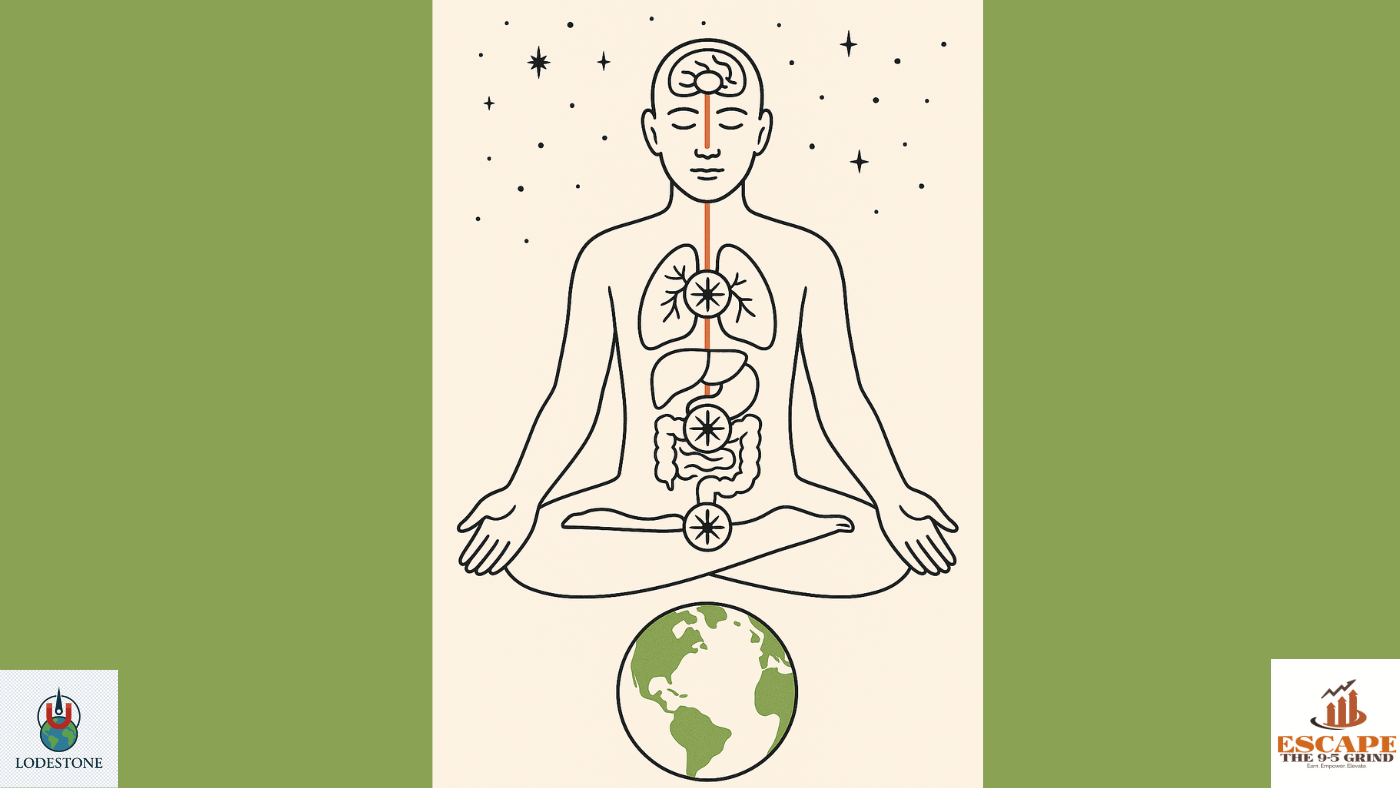
Breath Patterns and Decision States: Mapping the Connection
How you breathe can actually shape your mindset, guiding you toward different decision-making states. It's fascinating how something so simple can be customized to match the mental state you need.
Need focus for dissecting complex reports or delivering critical presentations? Try slow, consistent breathing. This pattern quiets the noise and allows you to zero in on the task. Studies show that slowing down the breath calms the mind, reducing anxiety and heightening concentration. It's like flipping a switch to clear the mental fog.
Cultivating empathy is another powerful result of mindful breathing. Shallow, rapid breaths can increase feelings of stress or anger, but a deeper, rhythmic pattern helps you remain calm and open. This empathetic state is vital when engaging with team members, making it easier to listen actively and respond thoughtfully.
For creativity, altering your breathing to be more dynamic and fluid can foster an open mind. When brainstorming or problem-solving, allowing the breath to be more free-form invites creativity and innovation. It breaks the cycle of linear thinking, giving way to novel ideas or solutions.
Incorporating these practices into daily routines doesn’t require major effort—simple awareness and intentional breath can become natural. Research supports these patterns, making it clear there's a strong link between breathing techniques and improved cognitive and emotional states.
The key is to experiment and find a rhythm that aligns with your leadership needs. Some might find long deep breaths before a meeting helps set the right tone, while others thrive with a more invigorating pace. The important part is recognizing that breath is adaptable and personal, capable of shifting states to match any leadership challenge.
Effective Meeting Strategies: The Three-Breath Meeting Protocol
Meetings often become overwhelming, with agendas packed and tensions high. But what if a simple three-breath protocol could change that dynamic? This approach is gaining traction among leaders who value a calm and productive conversation environment.
The Three-Breath Meeting Protocol is straightforward: Before diving into discussions, everyone takes three deep, intentional breaths. It only takes a minute but can transform the meeting atmosphere, making it more focused and composed. It acts as a reset button, allowing everyone to leave distractions behind and bring their full attention to the room.
Here's how it works: first, encourage your team to take a deep inhale, hold it for a moment, and then exhale slowly. Repeating this for three breaths establishes a calm baseline from which to start the meeting. Studies suggest that short breathing exercises like these can lead to better group coherence and smoother communication.
Leaders implementing this have seen remarkable shifts in energy and engagement. Instead of rushing through discussions, participants are more present, actively listening and contributing more meaningfully. It’s a simple adjustment with significant payoff, making the group more synchronized and aligned.
To make the most of the protocol, introduce it as a regular part of your meeting routine. Bed it into the culture, and watch the positive results compound over time. Feedback from teams often reflects higher satisfaction in outcomes and a more enjoyable meeting experience overall.
Leaders who've adopted this method report a noticeable difference not only in the vibe of the meetings but also in the effectiveness of the decisions made. It's all about harnessing the collective focus and setting the stage for productive dialogue. Give it a try—it's a tiny change with substantial impact.
Measuring Impact: How Breathwork Transforms Leadership Outcomes
Evaluating the impact of breathwork on leadership isn't just about feeling better—it's also about real, tangible changes in performance and culture. Tools and metrics help to paint a clear picture of how these breathing strategies are making a difference.
One effective way to measure the impact is through self-assessment and reflection. Leaders can document their performance and emotional state before and after integrating breathwork routines. This personal insight can highlight shifts in stress levels, clarity of thought, and overall leadership effectiveness.
Beyond self-assessment, gathering feedback from team members offers an external perspective. Checking in with the team about how the leader's presence and decision-making have changed since incorporating breathwork can provide valuable insight and confirm the real impacts.
Some organizations use objective metrics like absenteeism rates, team productivity, and error reduction to quantitatively assess breathwork's impact. While it's just one piece of the puzzle, seeing improvements in these areas can underscore the value of breath-integrated leadership practices.
It's important to also consider the long-term benefits breathwork offers—like increased emotional resilience and adaptability. Over time, these improvements contribute to a leadership style that's more flexible and better equipped to handle challenges.
Traditional leadership training addresses skills like strategy and communication, but adding breathwork offers a holistic approach that includes emotional and mental well-being. Comparing the two approaches can help in understanding the added value breathwork brings to leadership.
Real-life testimonies often reveal profound transformations, from overcoming significant leadership hurdles to fostering a more positive and supportive work environment. These stories of growth underscore how breath can be a catalyst for deeper change and inspire others to follow suit.
Future Outlook: Breath as a Staple in Leadership Development
Breathwork is steadily gaining ground as a core component in leadership development programs. As more leaders recognize its potential, it's becoming a staple in the toolkit for fostering effective, resilient teams.
Incorporating breathwork into boardrooms and executive training is more than a trend—it's an evolution in how we approach leadership. Experts predict that as we continue understanding the link between breath and cognitive function, more organizations will embed breathing techniques into their culture to boost performance and well-being.
With any new approach, there are bound to be challenges and misconceptions. Some skeptics might see breathwork as unscientific or unrelated to business goals. However, the science supports its mental and physiological benefits, and overcoming these misconceptions starts with education and transparency about the tangible impacts.
Leading the charge are forward-thinking leaders who champion breath awareness, not only for personal growth but as an organizational strategy. These individuals harness the power of breath to enhance team alignment and communication, proving its effectiveness through results, not just theory.
The future might also see advances in technology or wearables that support and track breathwork practices, making it easier to integrate into daily routines. As research continues to expand, we could see exciting developments in understanding how different breathing techniques influence leadership success.
In practice, it's up to individual leaders to embrace and advocate for breath as a valuable tool in their organizations. With supportive infrastructures and training, both aspiring and seasoned leaders can confidently adopt breathwork to inspire change, foster innovation, and ultimately drive success.
A 60‑second practice
60 seconds: before a difficult conversation—slow exhale, soften eyes, feel pelvis on the chair. Name shared purpose before the problem.
Where to go next
- Start here (Brainz readers): https://lindenthorp.com/brainz
- Browse all articles: https://lindenthorp.com/articles
- Watch & learn (YouTube): (add your YouTube “Start Here” link when ready)