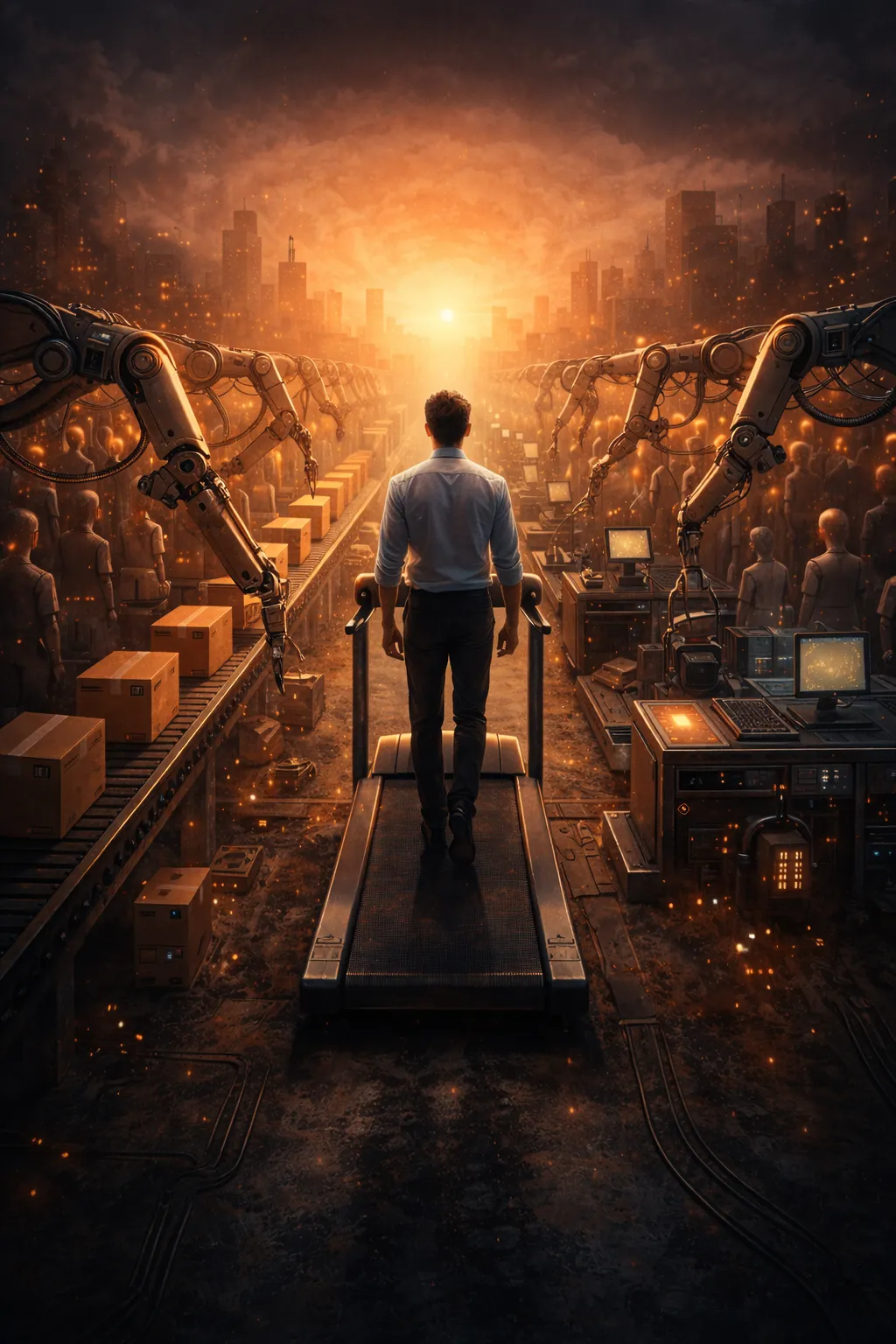
Automation and the Loss of Meaning
Automation and the Loss of Meaning is a reminder that the most important signal in any room—physical or digital—is the state of the body behind the words.
Linden’s lens
In meditation work I often say: symbols are not reality. Screens, words, dashboards—useful, but not the ground. If we want a humane future with AI, we need embodied discernment and a relationship with spirit that isn’t performative.
Key takeaways
- Primary lens: automation and meaning.
- Watch the signal: breath, gaze, tone, tempo, sensation—before content.
- Legacy frame: consistency and trust are embodied; they’re not produced by forcing.
The article
Automation and artificial intelligence, those buzzwords we can't seem to escape, have roots that reach back further than you might imagine. We've been automating tasks ever since the Industrial Revolution, but it's only in the last few decades that AI has exploded onto the scene, changing how we live and work in pretty dramatic ways.
Technology has made leaps and bounds, bringing us things like smart algorithms and machine learning, that learn and adapt like a second nature. It's like science fiction suddenly coming to life. These breakthroughs are not just tech stuff — they're reshaping industries, from manufacturing to customer service, streamlining operations, and boosting productivity.
Incorporating AI into business isn't just about robots taking over; it's more about boosting how businesses function. AI can handle loads of data with analytical precision, a bit like having a really brainy assistant on board, freeing us up to focus on more creative and strategic tasks.
But, let's not forget the core advantage of automation: hitting those productivity goals that seemed out of reach before. It's about efficiency and making the most out of every minute. The beauty lies in how seamless processes can become when automation is done right.
All this doesn't mean we're doomed to a Cold War with the machines. Instead, it's about understanding and integrating these tools to enhance what we're doing already. It's crucial to find that sweet spot where tech and human expertise come together to make something incredible.
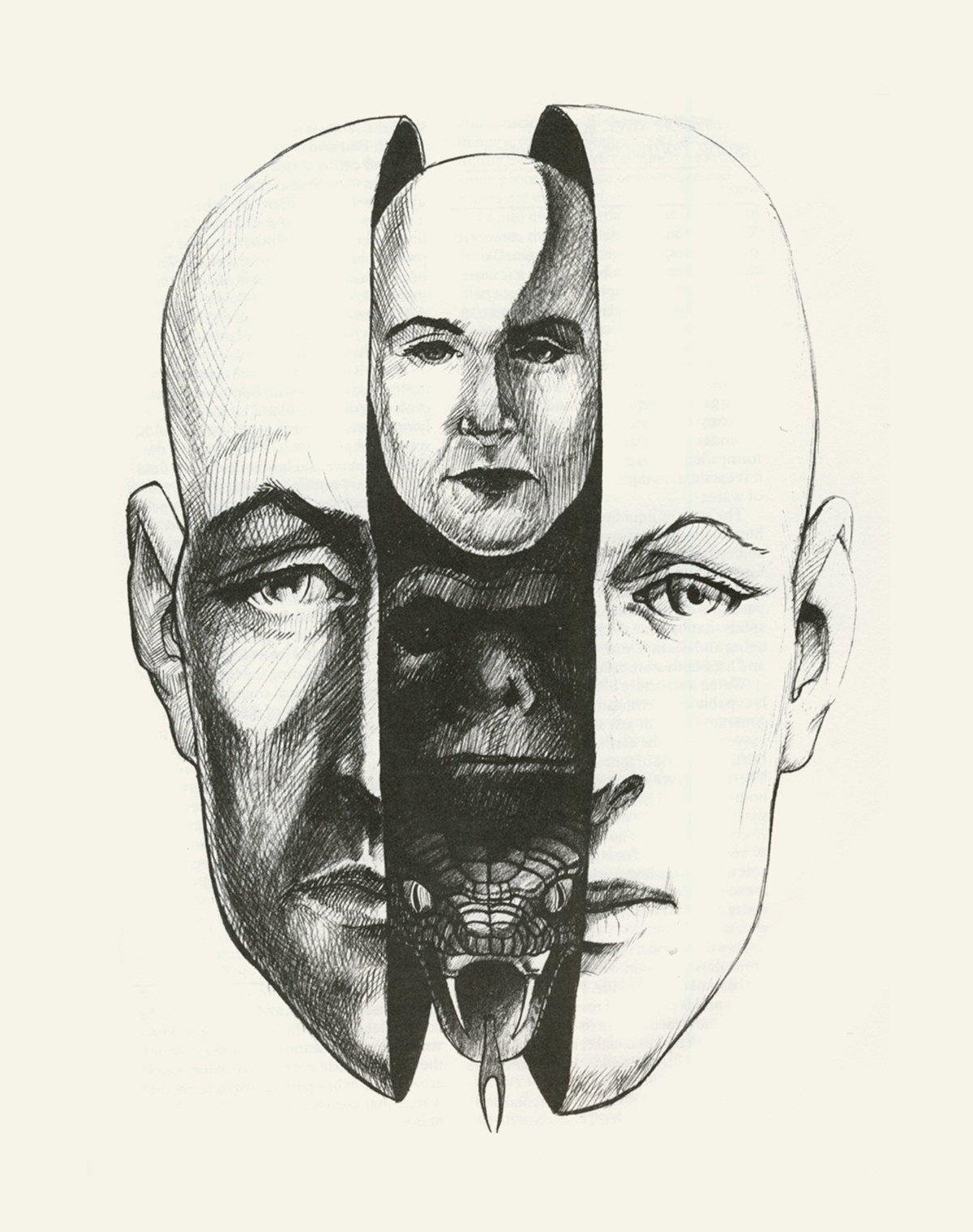
The Deep Impact of Automation on Human Meaning-Making
Automation has reshaped the job landscape, turning some roles into tasks handled by software or machines. This shift isn't just a matter of losing jobs; it's about altering the very essence of what we consider meaningful work. The roles that were once a core part of people's identities suddenly feel a bit out of reach, or even extinct.
With technology driving the agenda, there's a notable tilt towards tech-driven careers and away from traditional roles. This doesn't leave us unaffected. People begin to feel a disconnect from the jobs they do, as if the satisfaction that once came from crafting something with their own hands is replaced by routine interactions with screens and code.
Psychologically, this can take a toll. Jobs aren't just about paychecks; they're about purpose. When tech comes in, handling tasks that were once the pride of skilled workers, there's a risk of creating a sense of loss. It's not about resisting change, but about realizing that value and fulfillment are equally crucial in a digital era.
The numbers paint a vivid picture. While some industries witness job growth due to new tech-related roles, others face layoffs and restructuring. The buzzword here is 'transformation,' but the human cost is easy to overlook if we're focused only on bottom-line gains.
Navigating these changes involves more than just re-skilling; it requires a shift in how we view technology's role in our lives. It's about understanding that, while automation is inevitable, finding new ways to derive meaning and purpose in our work is paramount. This could be a catalyst for innovation, pushing individuals and businesses to re-evaluate and reimagine how roles are crafted.
Embodiment: Redefining Human Interaction with Technology
Embodiment might sound like a philosophical term, but it's got some real-world juice when it comes to our relationship with technology. It's about bringing back the human touch in a digital-heavy world by encouraging physical presence and interaction, which machines can never replicate.
Why is embodiment coming up now? During the rapid tech adoption, we noticed something — tech needs a human counterpart to truly shine. Embodiment pushes for experiences that are grounded in reality, tapping into creativity and innovation that's inherently human.
Creating this kind of environment in a business isn't about shunning technology. Instead, it's about designing spaces and systems that foster creativity and deeper connections. Think team-building activities that focus on collaboration, or workspaces that invite face-to-face interactions instead of emails or Slack messages.
Businesses that have embraced embodiment are seeing real benefits. Consider those tech companies that encourage employees to brainstorm in less conventional meeting rooms or offer VR environments for team projects. These practices demonstrate that technology and embodiment can coexist, enhancing employee satisfaction and productivity.
The goal here is not just to adapt but to transform how we engage with work, bringing human elements back into focus. Embodiment helps align technological advances with our basic human need for connection and interaction, ensuring that the all-important human aspect remains front and center, no matter how digital our world gets.
Rehumanizing Business Practices through Embodiment
Technological advances might run the show these days, but centering on human values in businesses is what ensures everything stays grounded. Prioritizing these values means building companies that care about people, not just profits. What we need is a leap back to basics where empathy, community, and collaboration play starring roles.
Leaders, take note. Your role is crucial. You're the link that brings human-centered values into the corporate DNA. Encouraging open dialogues, valuing feedback, and nurturing a sense of belonging among teams can drive a culture that values people over procedures.
Success stories from businesses that put people first are plentiful. Companies focusing on flexible work environments or those that offer opportunities for cross-disciplinary collaboration are seeing success by bringing that human touch back into their operations. It's about crafting environments where people want to be, where they feel empowered, not just employed.
In every office, employees want to engage themselves in more than just their job descriptions. They crave meaning and look for cultural elements that they can relate to daily. Incorporating embodiment isn't just a strategy; it's a shift towards reimagining how businesses operate, ensuring they are about the people first and technology second.
Adopting a culture that blends technology with human experience doesn't just make ethical sense, it boosts morale and productivity. Business practices that amplify human worth resonate not just within company walls but also in customer interactions, making for a brand image that's genuinely trusted and revered.
Bringing Spirit Back into Systems: A Hopeful Future
Imagining a future where humans and technology work in tandem is as much about practicality as it is about hope. It's not just juggling efficiency; it's creating systems that prioritize human well-being alongside productivity. By doing this, we begin to transform industries, making sure that every tech advancement brings us closer to meeting human needs.
Developing these systems calls for collaboration. Both technology and human input are crucial in designing a workspace that thrives on balance. It's not about tech replacing people but complimenting them in ways that enhance capabilities.
Visionaries and thought leaders are pushing for this harmonious future. They speak about a synergy between human skills and machine proficiency, with each side supporting the other. Their messages resonate through every corner of our work lives and social systems, making it apparent just how intertwined our futures are.
Adapting to these changes means individuals and organizations must be proactive. Start by evaluating current processes. Where can human input be valued more? How can technology support rather than dominate? Answering these questions puts us on a path toward genuine integration.
Whether you're a decision-maker, manager, or team member, embracing this shift is key. Technology is here to stay, but ensuring it's part of a system that elevates the human spirit and purpose in business could make all the difference. Let's aim for a future where progression means people and technology rise together.
A 60‑second practice
60 seconds: pause, exhale, ask “What do I value here—truth, care, clarity, or status?” Let that value choose the next action.
Where to go next
- Start here (Brainz readers): https://lindenthorp.com/brainz
- Browse all articles: https://lindenthorp.com/articles
- Watch & learn (YouTube): (add your YouTube “Start Here” link when ready)